
PeerLINC Helps Southeast Asian TB Programs Turn DR-TB Guidance into Country Action
Countries across Southeast Asia are working to expand access to newer, shorter, and all-oral treatment regimens for drug-resistant tuberculosis (DR-TB). Making these treatments widely available requires national TB programs to align clinical decision-making, laboratory capacity, drug safety monitoring, patient support, data systems, and decentralized service delivery.
These interconnected challenges shaped the ‘PeerLINC Regional Capacity Building Program for Southeast Asia: Strengthening Programmatic Management of Drug-Resistant Tuberculosis,’ organized by PeerLINC Knowledge Hub in partnership with TB Alliance and the Tropical Disease Foundation (TDF), with support from the Australian Government through AusAID. The program was held from 6 to 9 July 2026 in Makati City, Philippines.
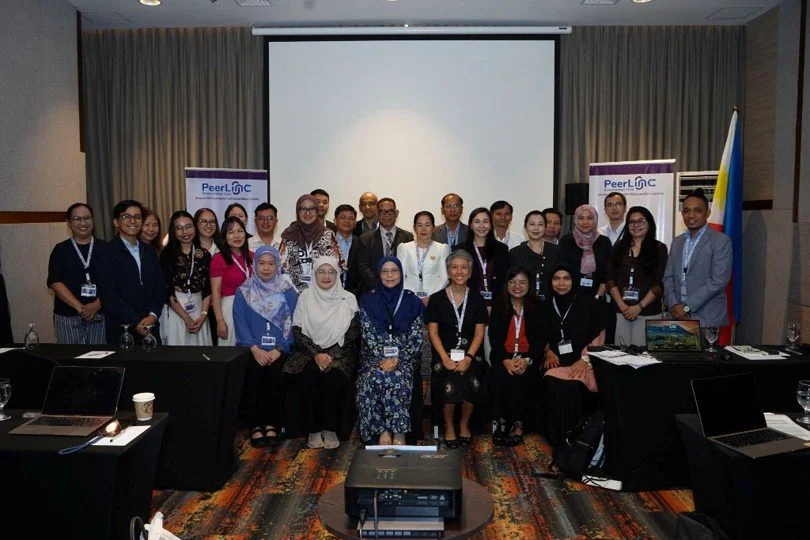
The four-day regional program combined clinical learning, implementation problem-solving, field observation, and country planning to support the scale-up of newer drug-resistant tuberculosis treatment regimens.
The four-day program brought together National TB Program representatives, clinical specialists, public health professionals, and community advocates from Cambodia, Indonesia, Lao PDR, Malaysia, Timor-Leste, Vietnam, and the Philippines. Participants represented different levels of DR-TB implementation and contributed experience from national programs, treatment facilities, laboratories, local health systems, and community organizations.
Designed around applied learning and structured peer exchange, the program examined what countries need to plan, implement, scale, and monitor World Health Organization (WHO)-recommended DR-TB treatment regimens, particularly BPaLM/ BPaL. It moved beyond the delivery of technical information by giving participants opportunities to compare country experiences, work through implementation barriers, and identify practical responses suited to their respective health systems.
The ultimate goal of these efforts is to help countries accelerate the implementation of newer DR-TB regimens, which shorten the treatment journey for patients, reduce the burden associated with longer and more complex therapies, and make effective care more accessible within national and local health systems.
“PeerLINC exists to help countries move from evidence to implementation,” said Dr. Eden Mendoza-Hisey, head of PeerLINC Knowledge Hub. “When program leaders learn from peers who have already worked through similar challenges, they can adapt practical solutions more effectively and strengthen the care available to patients.”
Connecting clinical decisions with program realities
The learning sessions covered complex DR-TB cases, adverse-event simulations, regimen selection, data use, and decentralized models of care. Participants also examined active drug safety monitoring and management (aDSM), including the documentation, clinical monitoring, and reporting systems required to identify and respond to treatment-related adverse events.
Because effective implementation extends beyond clinical management, the program incorporated discussions on gender equality, disability, and social inclusion; community-led adverse-event monitoring; patient support models; and barriers affecting people in hard-to-reach settings.
Cross-country gap mapping and patient pathway exercises helped delegations examine where patients may encounter delays, fragmentation, or inadequate support, from diagnosis and enrollment through treatment monitoring and completion. These activities encouraged participants to view DR-TB implementation as an interconnected system rather than a series of isolated technical functions.
Learning from implementation in practice
A central feature of the program was its field-based learning component.
Participants visited the TDF clinic and laboratory in Makati City to observe diagnostic workflows, drug susceptibility testing, treatment enrollment, clinical documentation, adverse-event monitoring, and the use of digital adherence technologies.
The delegation also visited Tejeros Health Center in Makati City, as well as the Cuyegkeng Health Center and Doña Marta Health Center in Pasay City. These visits gave participants a closer look at how national guidance is translated into local service delivery, including patient monitoring, information systems, drug supply management, and coordination among facilities and health workers.
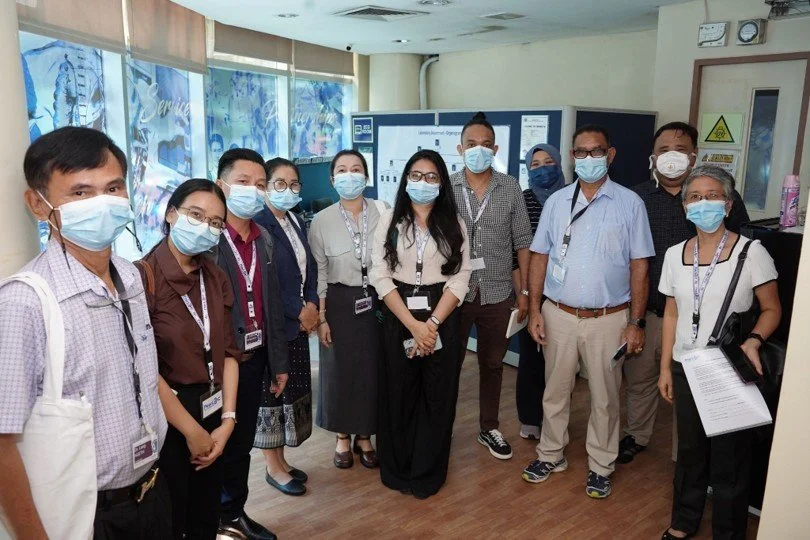
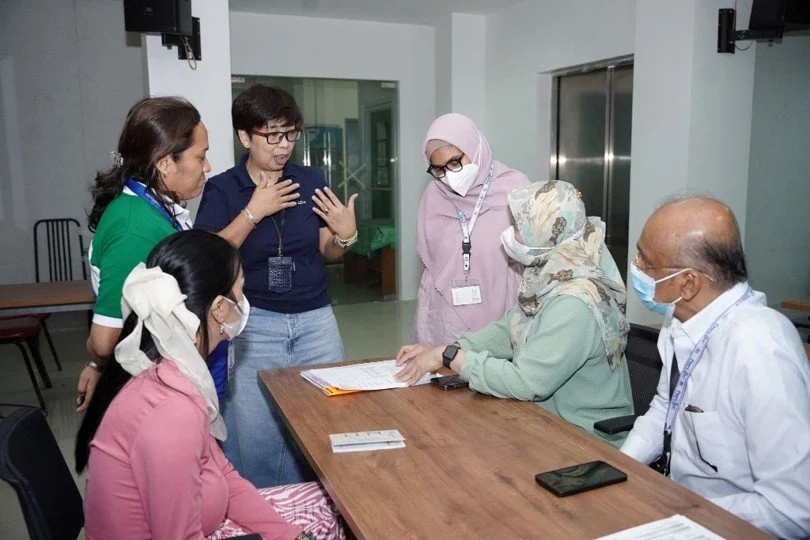
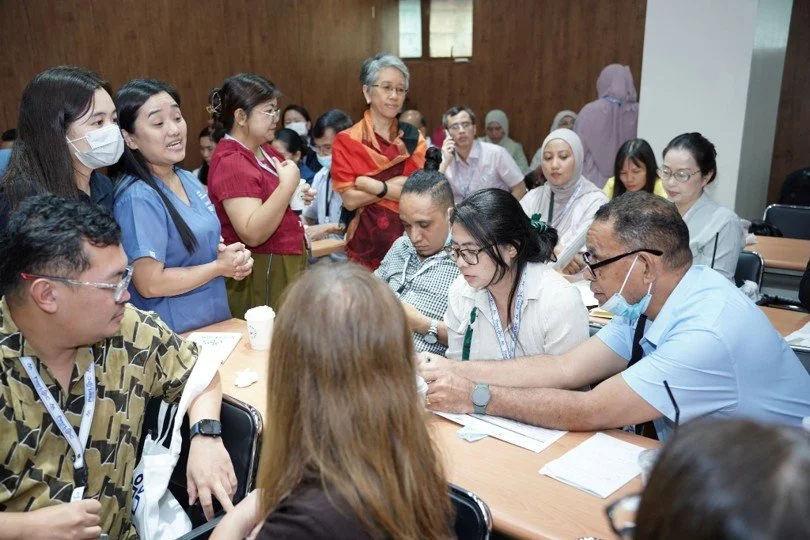
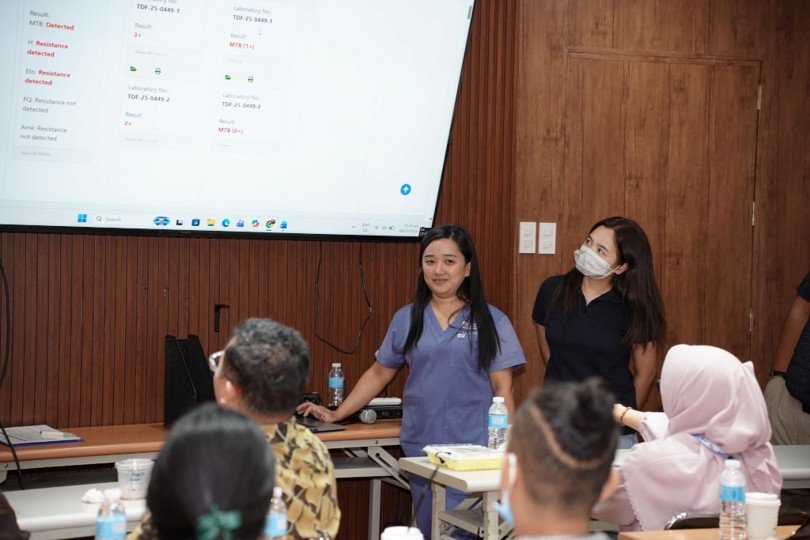
Seeing these systems in practice enabled participants to compare written protocols with the operational requirements of delivering care. It also created space for discussion on how approaches observed in the Philippines could be adapted within different country contexts.
In his opening message, Patrick Angeles, Program Officer for Health Partnerships at the Australian Embassy in the Philippines, encouraged participants to draw on the experience of both the workshop’s technical experts and their fellow delegates.
“This PeerLINC regional training is an important platform to exchange knowledge,” Angeles said. “We encourage participants to draw not only from the expertise of resource persons and site visits, but also from each other’s successes and challenges.”
Carrying the learning back to country programs
During the closing reflections, participants highlighted the value of learning from countries at different stages of DR-TB implementation.
“The country experience-sharing sessions provided practical examples of how different countries have implemented DR-TB services and addressed common challenges,” said Ivonia Belo, Social Protection & Nutrition Support Focal Person in Timor-Leste. “These experiences offered valuable ideas that can be adapted in my country.”
Public health physician and TB program manager of the Sabah State Health Department, Michelle Goroh, likewise found value in examining implementation challenges across different settings. “Developing the patient pathway improvement map was an interesting session where we could identify the different and similar barriers and challenges in each participating country,” she said.
The workshop concluded with each country delegation identifying priority actions for the next six to twelve months. These country-owned plans are intended to help teams apply the learning to their own clinical, diagnostic, programmatic, patient-support, and equity-related gaps.
Through this approach, PeerLINC, together with TB Alliance and TDF, advances its mission not only by sharing technical guidance but by helping countries turn evidence, implementation experience, and regional collaboration into practical improvements in DR-TB care.